
Solusi Logistik
International Freight
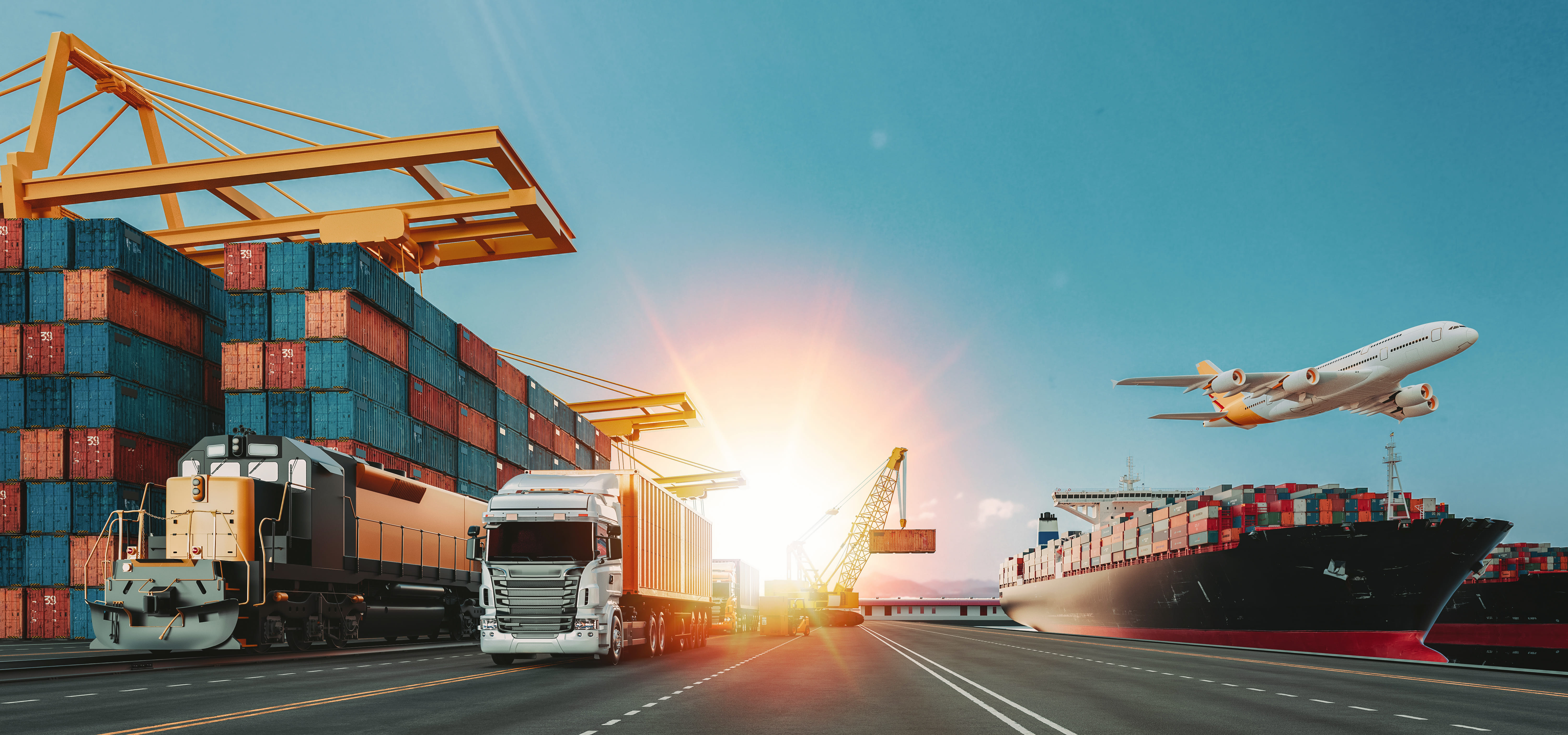
MII hadir dengan layanan transportasi kargo lintas negara yang dirancang untuk memberikan kepastian penuh bagi pergerakan komoditas global perusahaan Anda. Sebagai mitra freight forwarding strategis, kami menyusun kombinasi rute terbaik guna meminimalkan waktu transit dan mengoptimalkan efisiensi biaya logistik antarbenua. Kami mengintegrasikan jaringan global dengan keahlian prosedural untuk memastikan setiap pengiriman internasional berjalan aman, legal dan adaptif terhadap dinamika perdagangan global.
Integrated Logistics Services
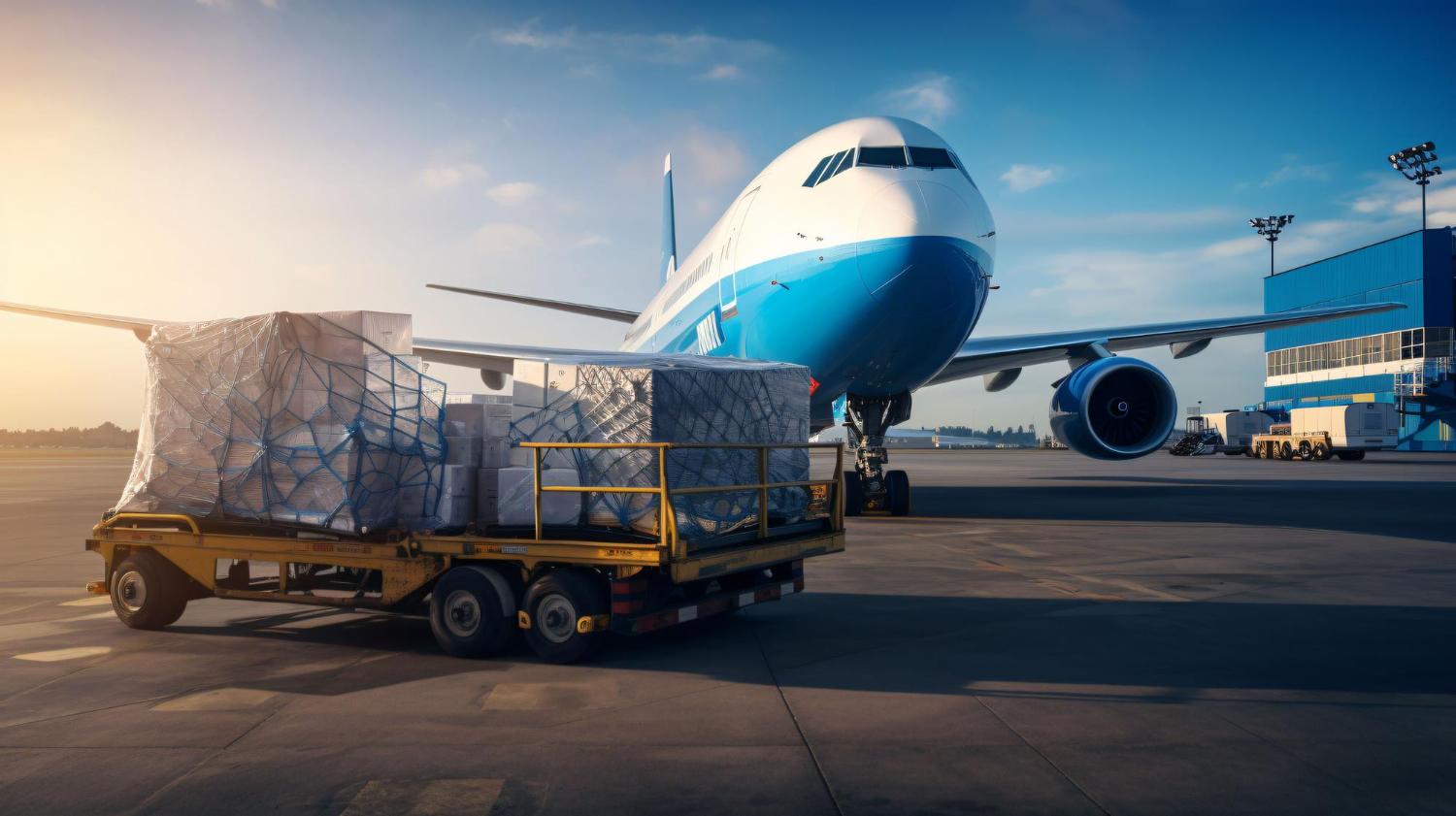
Air Freight Management
Solusi pengiriman tercepat untuk komoditas bernilai tinggi, sensitif waktu atau barang yang mudah rusak (perishable goods). Kami mengelola pemilihan maskapai dan optimalisasi rute secara cerdas untuk menyeimbangkan faktor biaya versus urgensi pengiriman. Layanan ini mencakup konsolidasi muatan guna memaksimalkan ruang pesawat, kepatuhan ketat pada aturan International Air Transport Association (IATA) serta pemantauan status kargo secara berkala.

Ocean Freight Management
Pilihan paling efisien untuk pengangkutan komoditas berskala besar, bermuatan berat atau pengiriman yang tidak bersifat mendesak. Kami memfasilitasi pengapalan kontainer penuh (FCL) maupun kontainer parsial (LCL) yang disesuaikan dengan volume barang Anda. Melalui hubungan kontraktual yang kuat bersama berbagai pelayaran terkemuka, kami memastikan alokasi ruang kargo tetap aman meski pada musim padat serta menangani seluruh dokumen pabean pelabuhan mulai dari bill of lading hingga sertifikat asal barang.
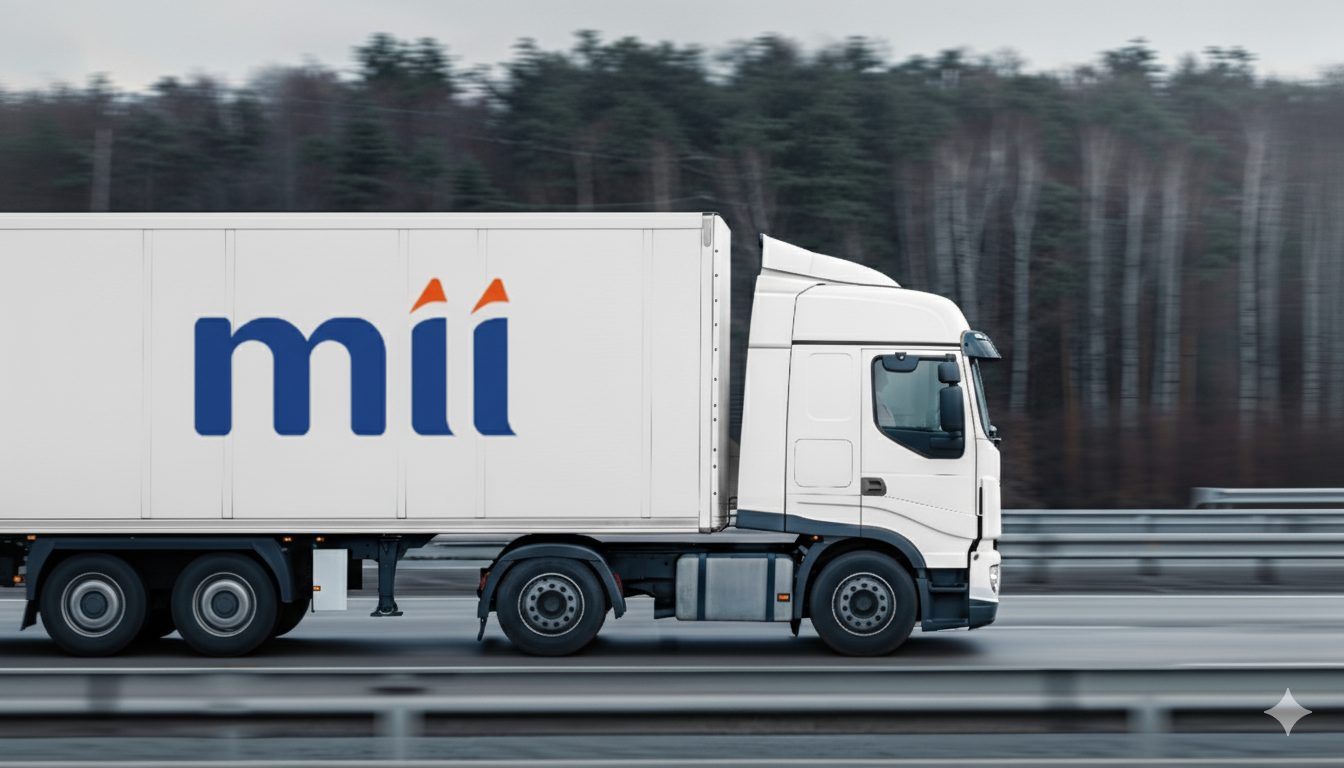
Land Freight Management
Pilar krusial yang mengunci kelancaran alur first-mile dan last-mile serta memfasilitasi pengiriman lintas batas negara. Kami menyediakan layanan pengangkutan truk muatan penuh (TL) maupun parsial (LTL) untuk distribusi regional jarak jauh. Layanan darat ini terintegrasi secara mulus dengan jalur udara dan laut guna membentuk solusi logistik multimoda yang utuh di bawah pengawasan sistem manajemen MII.
Solusi Logistik Terintegrasi Untuk Pertumbuhan Bisnis Anda
Kami membantu perusahaan mengelola kebutuhan logistik, transportasi, pergudangan, distribusi, dan supply chain secara efisien melalui layanan yang terintegrasi dan didukung oleh jaringan yang luas serta tim profesional.
INTERNATIONAL FREIGHT
Layanan pengiriman kargo udara, laut dan lintas batas negara yang terintegrasi secara global.
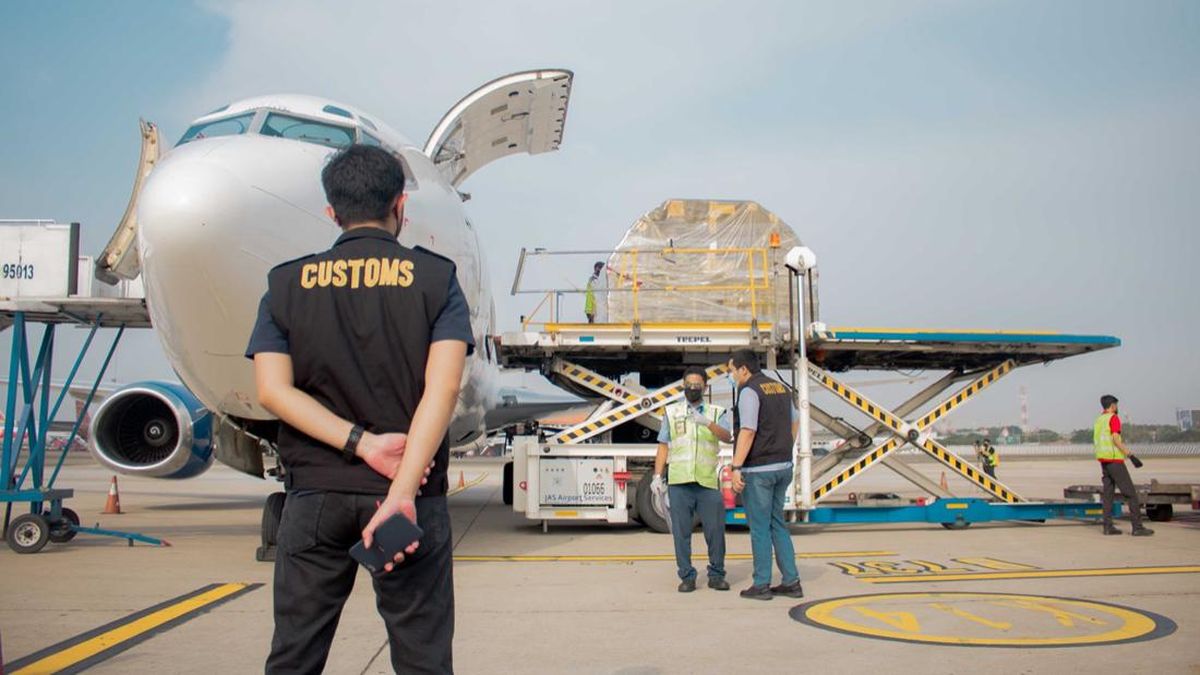
CUSTOMS AND TAX ENGINEERING
Pemberesan dokumen kepabeanan ekspor impor serta pemenuhan izin regulasi secara cepat dan legal.

VALUABLE CARGO HANDLING
Layanan pengiriman aset bernilai sangat tinggi dengan sistem pengamanan ketat serta jaminan kerahasiaan penuh.
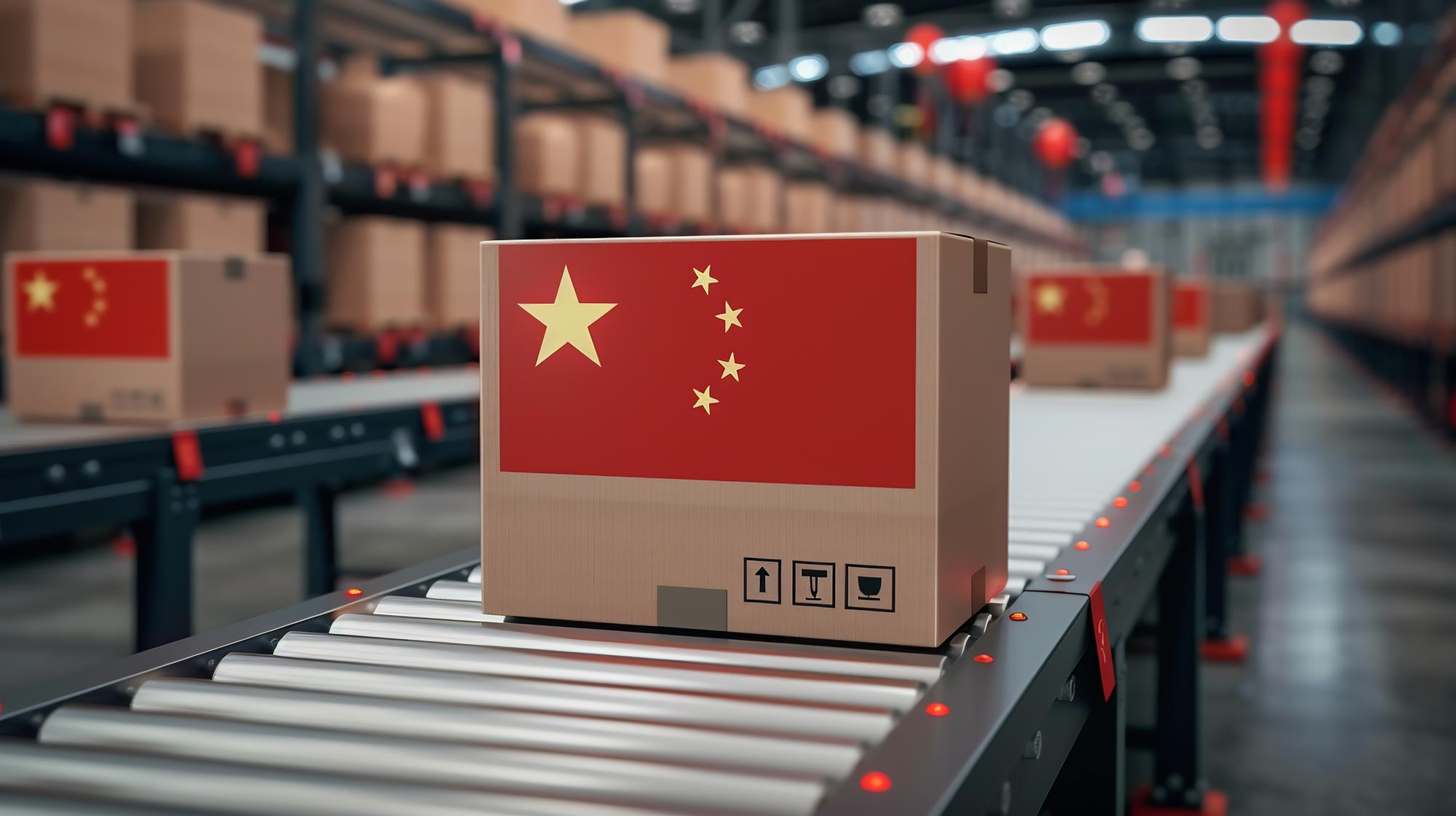
CHINA PROCUREMENT
Layanan China Procurement yang membantu perusahaan memperoleh produk dan pemasok terpercaya di Tiongkok melalui proses sourcing, negosiasi, dan koordinasi logistik yang efisien, aman, dan berdaya saing.
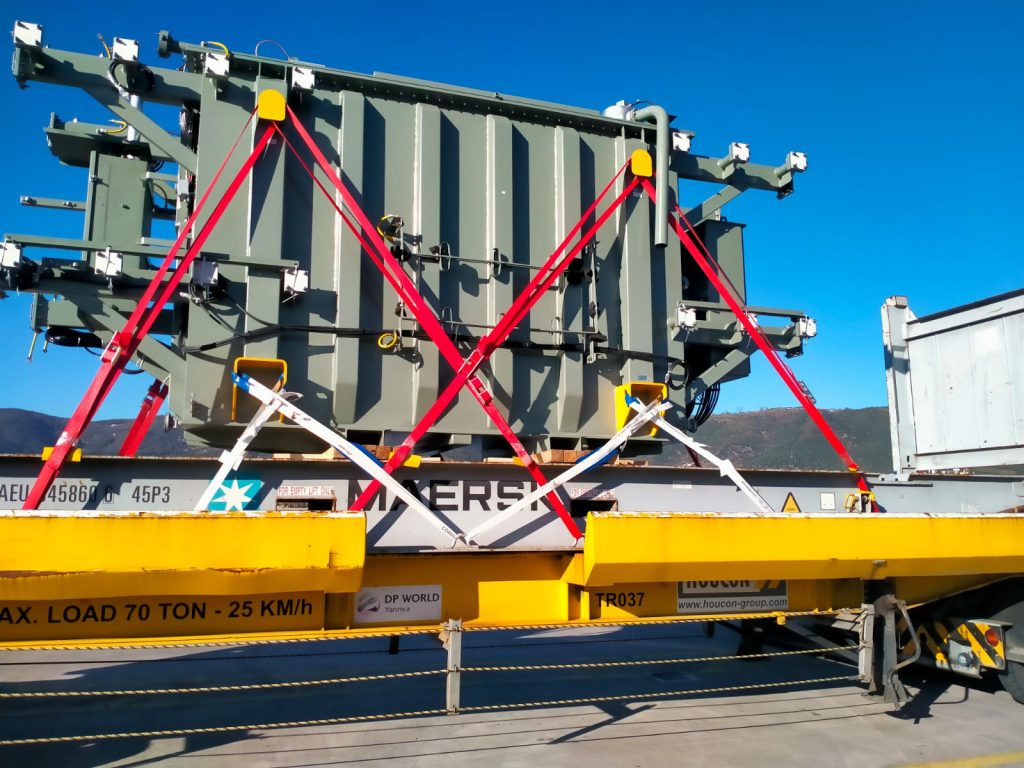
PROJECT & SPECIALIZED CARGO
Manajemen transportasi khusus untuk mobilisasi kargo infrastruktur bermuatan berat dan dimensi tidak standar.
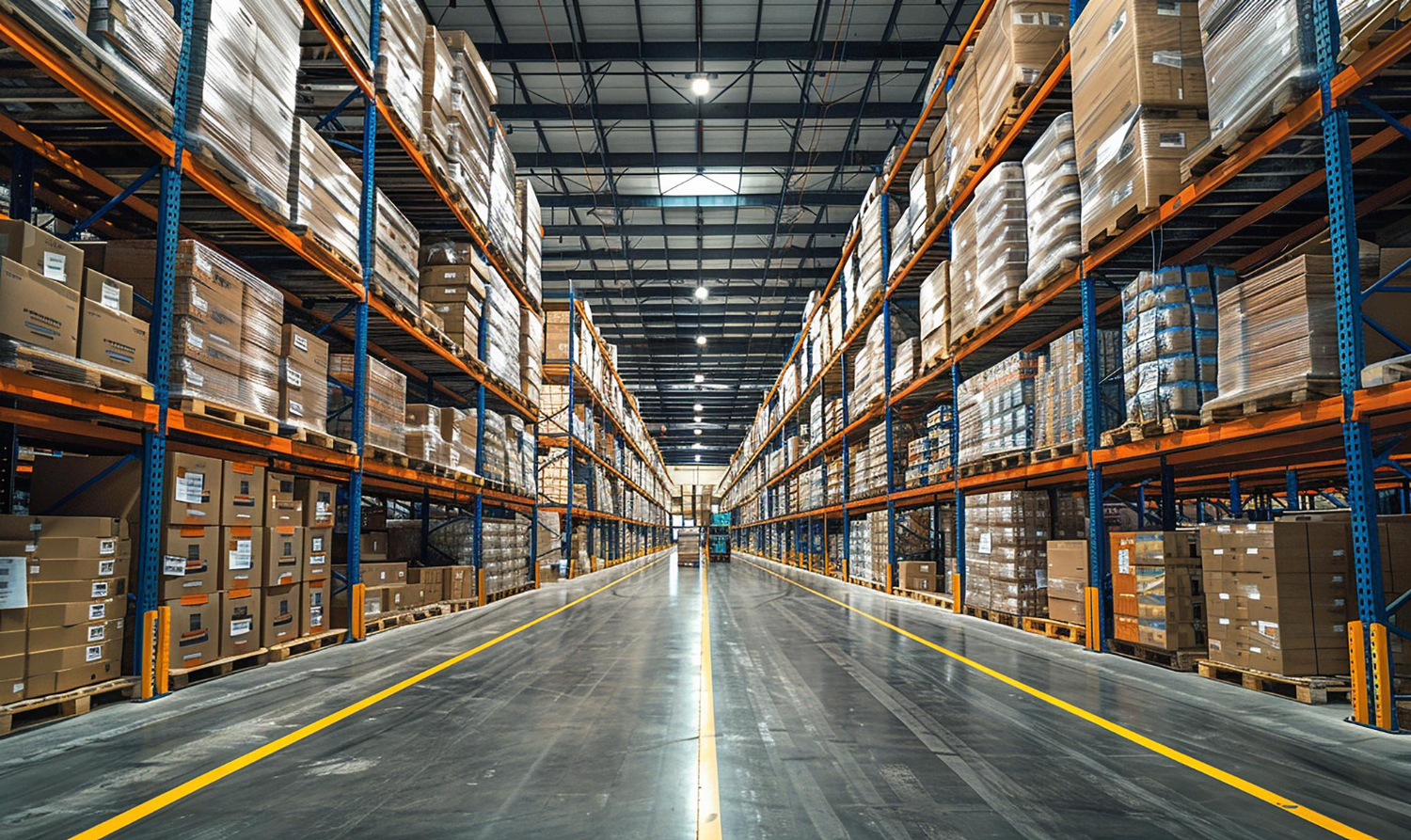
WAREHOUSING & DOMESTIC DISTRIBUTION
Fasilitas gudang penyimpanan komersial terintegrasi distribusi armada truk terjadwal ke seluruh Indonesia.

COLD CHAIN LOGISTICS
Pengangkutan komoditas pangan dan farmasi sensitif menggunakan armada dengan kontrol suhu sepanjang jalur pengiriman.