
Solusi Logistik
Customs Clearence
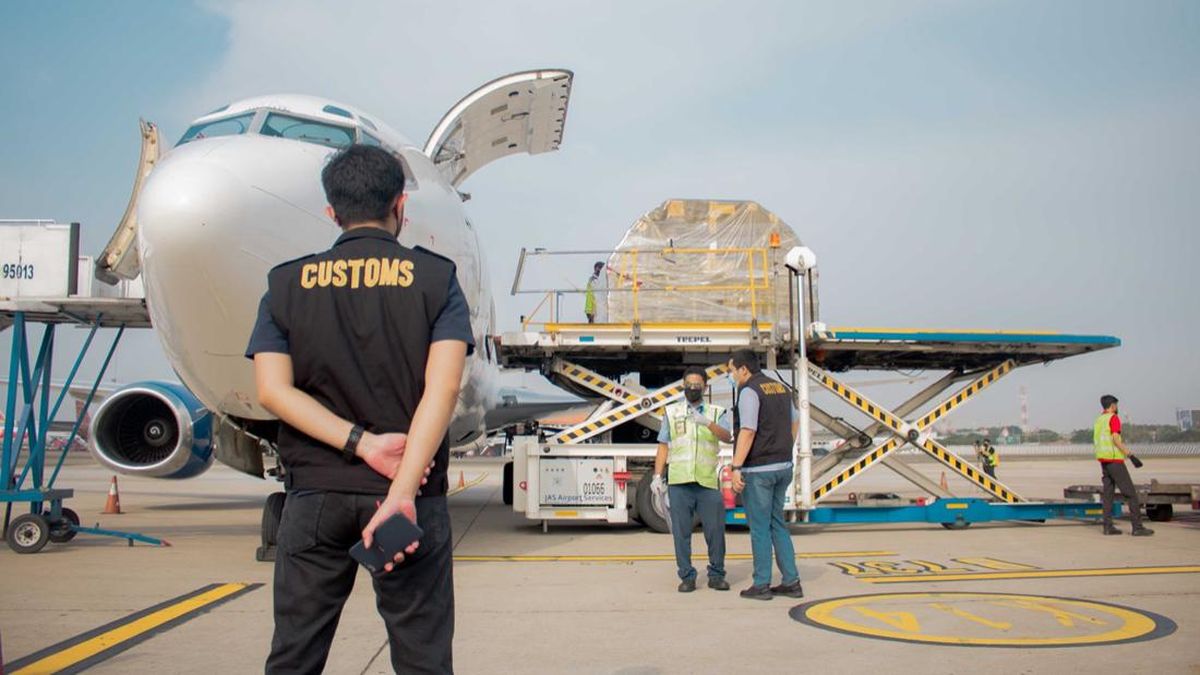
Kompleksitas regulasi kepabeanan sering kali menjadi hambatan utama dalam perdagangan internasional. mii hadir sebagai ahli kepatuhan pabean untuk memastikan seluruh dokumen Pemberitahuan Impor Barang (PIB) dan Pemberitahuan Ekspor Barang (PEB) diproses secara legal serta cepat. Tim kami menguasai klasifikasi kode HS secara presisi guna menghindari kesalahan perhitungan bea masuk dan pajak dalam rangka impor (PDRI).
Kami memfasilitasi pengurusan dokumen batasan atau larangan pembatasan (lartas) melalui koordinasi intensif bersama instansi teknis pemerintah serta kementerian terkait. Langkah ini secara efektif meminimalkan risiko denda fiskal, nota pembetulan (notul) dan pembengkakan biaya sewa penumpukan kontainer (demurrage) akibat keterlambatan operasional di pelabuhan. Dengan penanganan yang transparan, integritas korporasi Anda di mata otoritas pabean akan selalu terjaga.
Integrated Logistics Services

Understanding Customs and Tax Engineering
Customs and Tax Engineering involves a proactive and strategic approach to managing:
Customs clearance procedures
Import/export duties and tariffs
Indirect taxes (e.g., VAT, GST)
Trade compliance and documentation
Tariff classification and valuation
Duty deferral and exemption schemes
Free trade zone (FTZ) operations
Preferential origin planning and certificate management
It requires close coordination between logistics providers, supply chain managers, legal teams, and customs brokers to ensure that goods cross borders legally, quickly, and at the lowest fiscal burden.
Key Components of Customs and Tax Engineering
A. Tariff Classification Optimization
Correctly assigning the Harmonized System (HS) code to a product is the foundation of customs compliance. Misclassification can lead to overpayment of duties or costly fines. Engineering the classification strategically can also help leverage lower tariff rates, especially for multi-component or composite products.
B. Customs Valuation Strategy
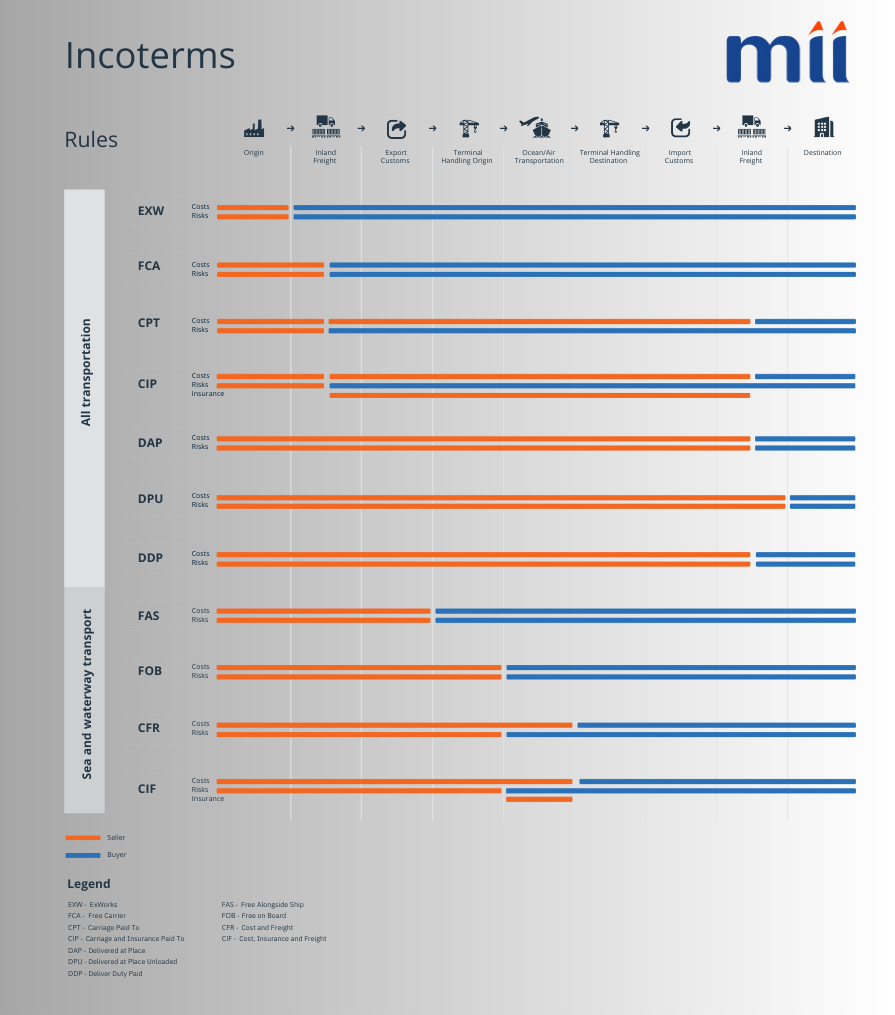
- Accurate and legal customs valuation is crucial. Companies may optimize declared value by considering:
- Incoterms (which costs are included/excluded)
- Transfer pricing adjustments
- Royalties and license fees
- Additive or deductible costs (freight, insurance, commissions, etc.)
C. Origin Planning
Goods that qualify as originating under a Free Trade Agreement (FTA) may benefit from reduced or zero duties. Strategic tax engineering involves sourcing or processing goods in a way that meets origin rules, and maintaining robust documentation to prove eligibility.
D. Duty Mitigation and Recovery Programs
- Engineering customs processes to utilize duty-saving opportunities such as:
- Bonded warehouses and customs-controlled areas
- Duty drawbacks (recovering duties on re-exported goods)
- Temporary import regimes
- Inbound processing and outward processing reliefs
E. Indirect Tax Structuring
In cross-border logistics, taxes such as VAT or GST must be accounted for and managed properly. Structuring tax registrations, recovery mechanisms, and reverse charge rules can have a major cash flow impact, especially for multinational firms operating in multiple tax jurisdictions.
Benefits of Effective Customs and Tax Engineering
A well-implemented customs and tax strategy in logistics provides numerous benefits:
Reduced Duty and Tax Costs: Strategic classification and origin planning can significantly reduce fiscal obligations.
Faster Customs Clearance: Well-prepared documentation and compliance history facilitate green lane approvals.
Improved Cash Flow: Utilizing deferred payments, VAT reclaim, or bonded facilities delays or eliminates upfront tax payments.
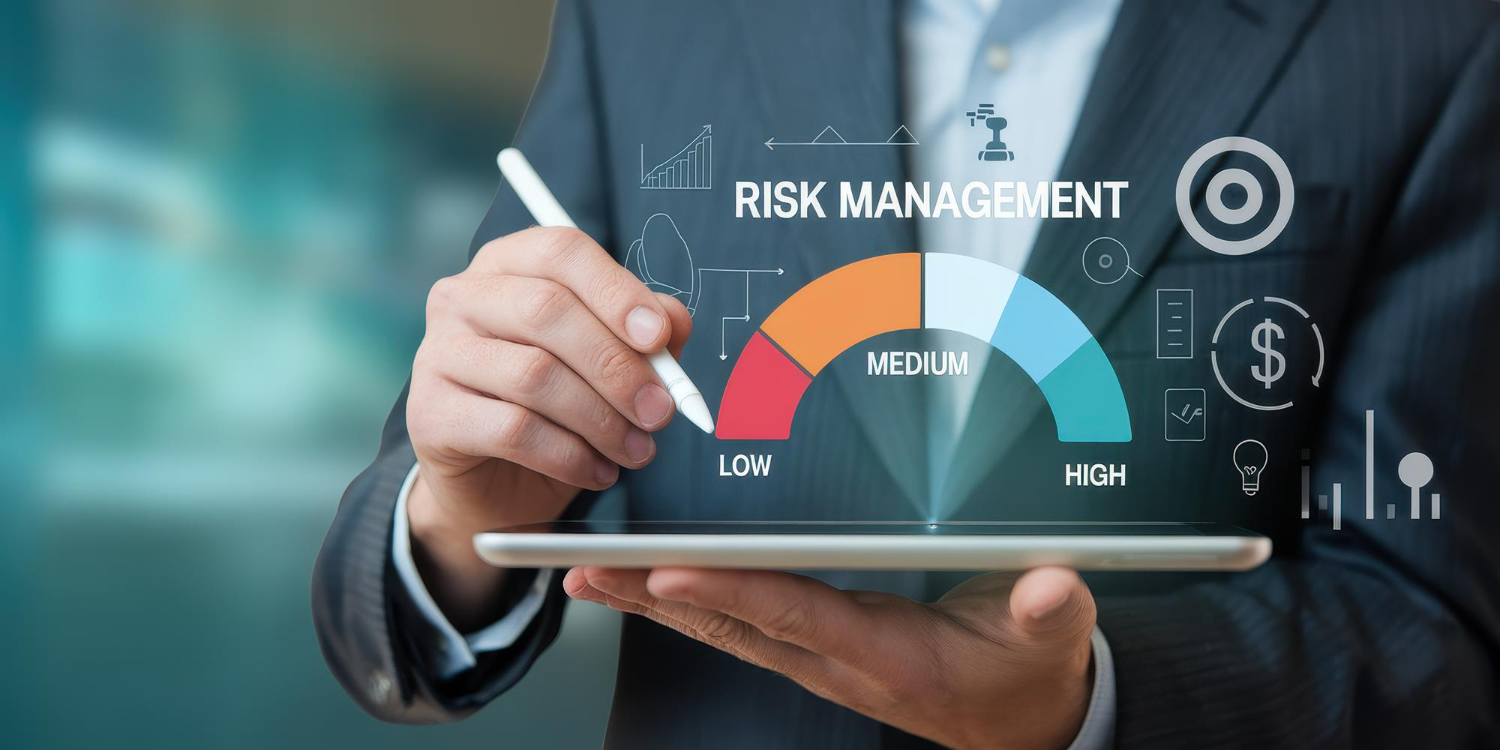
Risk Reduction: Minimizes the risk of audits, penalties, and shipment delays.
Competitive Advantage: Lower landed costs translate into more competitive pricing in target markets.
MII Expertise
Customs and Tax Engineering is no longer just a compliance obligation, it is a strategic lever in the global logistics industry. When executed correctly, it enables businesses to lower operational costs, accelerate shipments, comply with global trade laws, and adapt to evolving market conditions. In a world where supply chains are more interconnected and regulated than ever, mastering the intricacies of customs and tax across jurisdictions is essential for resilience, agility, and profitability.
By integrating legal knowledge, trade policy, technology, and logistics operations, Customs and Tax Engineering turns a traditional pain point into a powerful driver of value in the modern supply chain.
Solusi Logistik Terintegrasi Untuk Pertumbuhan Bisnis Anda
Kami membantu perusahaan mengelola kebutuhan logistik, transportasi, pergudangan, distribusi, dan supply chain secara efisien melalui layanan yang terintegrasi dan didukung oleh jaringan yang luas serta tim profesional.
INTERNATIONAL FREIGHT
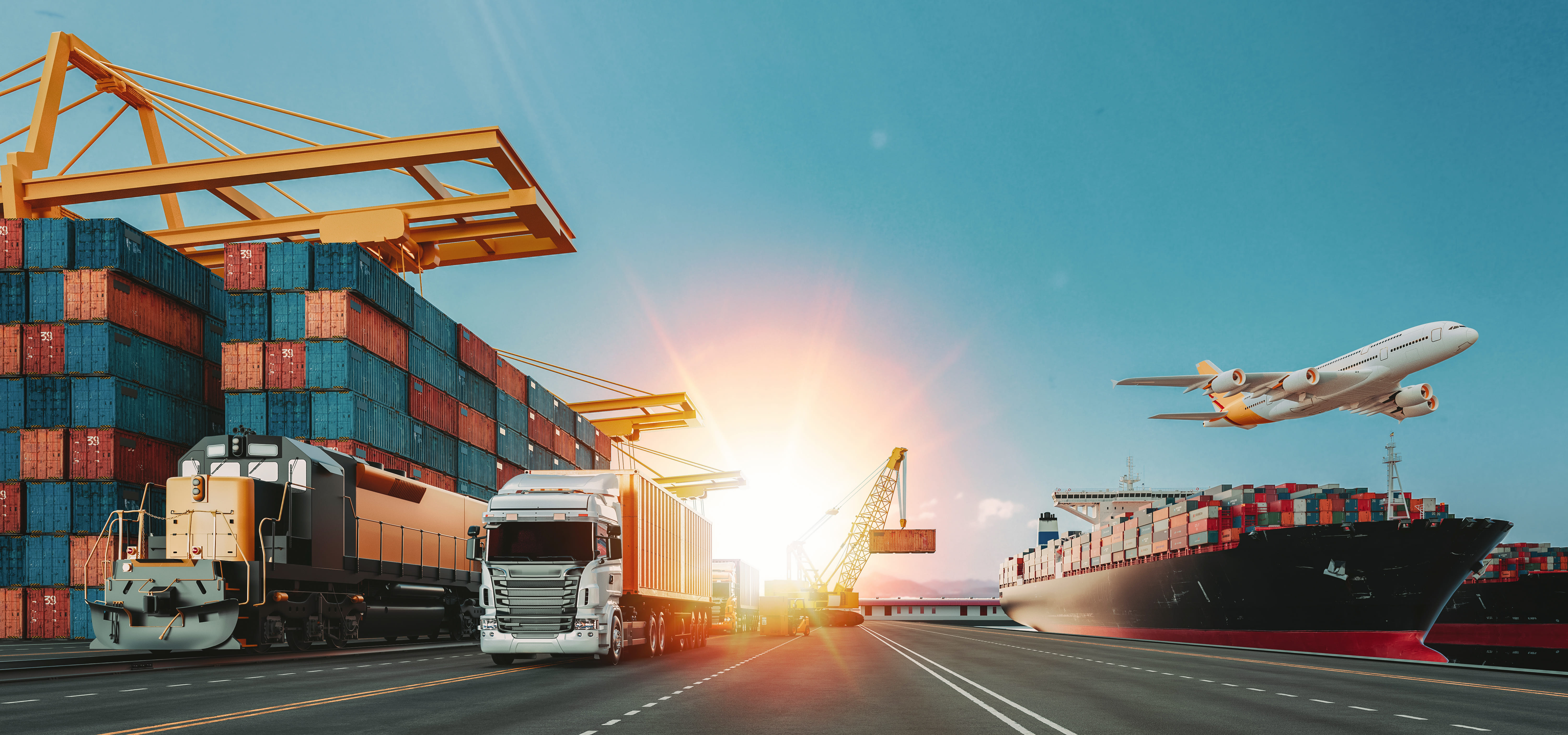
Layanan pengiriman kargo udara, laut dan lintas batas negara yang terintegrasi secara global.
CUSTOMS CLEARENCE
Pemberesan dokumen kepabeanan ekspor impor serta pemenuhan izin regulasi secara cepat dan legal.

VALUABLE CARGO HANDLING
Layanan pengiriman aset bernilai sangat tinggi dengan sistem pengamanan ketat serta jaminan kerahasiaan penuh.
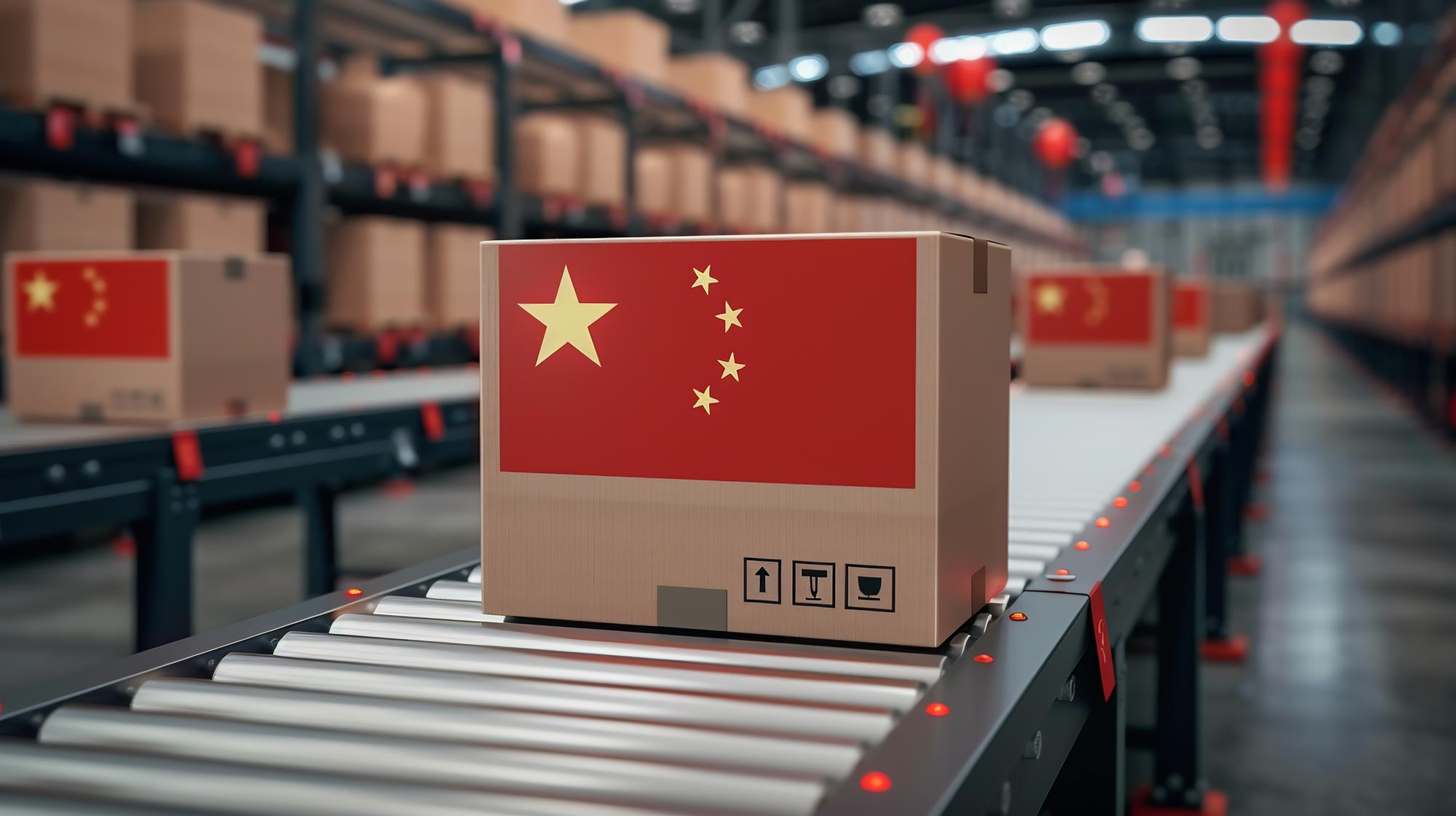
CHINA PROCUREMENT
Layanan China Procurement yang membantu perusahaan memperoleh produk dan pemasok terpercaya di Tiongkok melalui proses sourcing, negosiasi, dan koordinasi logistik yang efisien, aman, dan berdaya saing.
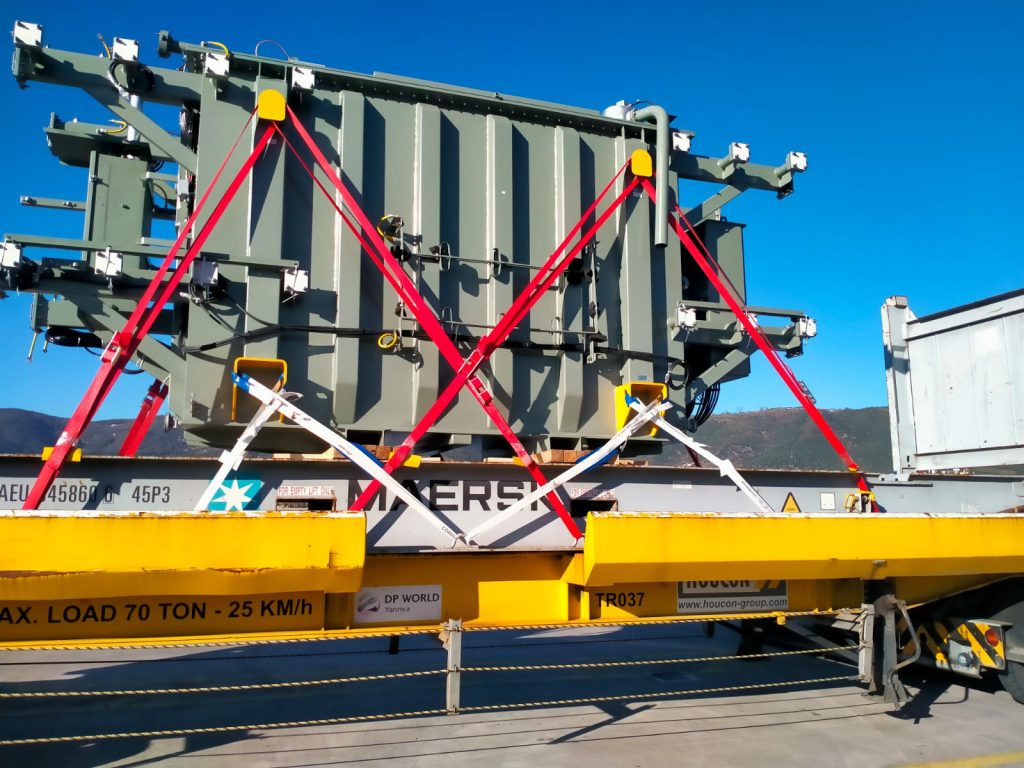
PROJECT & SPECIALIZED CARGO
Manajemen transportasi khusus untuk mobilisasi kargo infrastruktur bermuatan berat dan dimensi tidak standar.
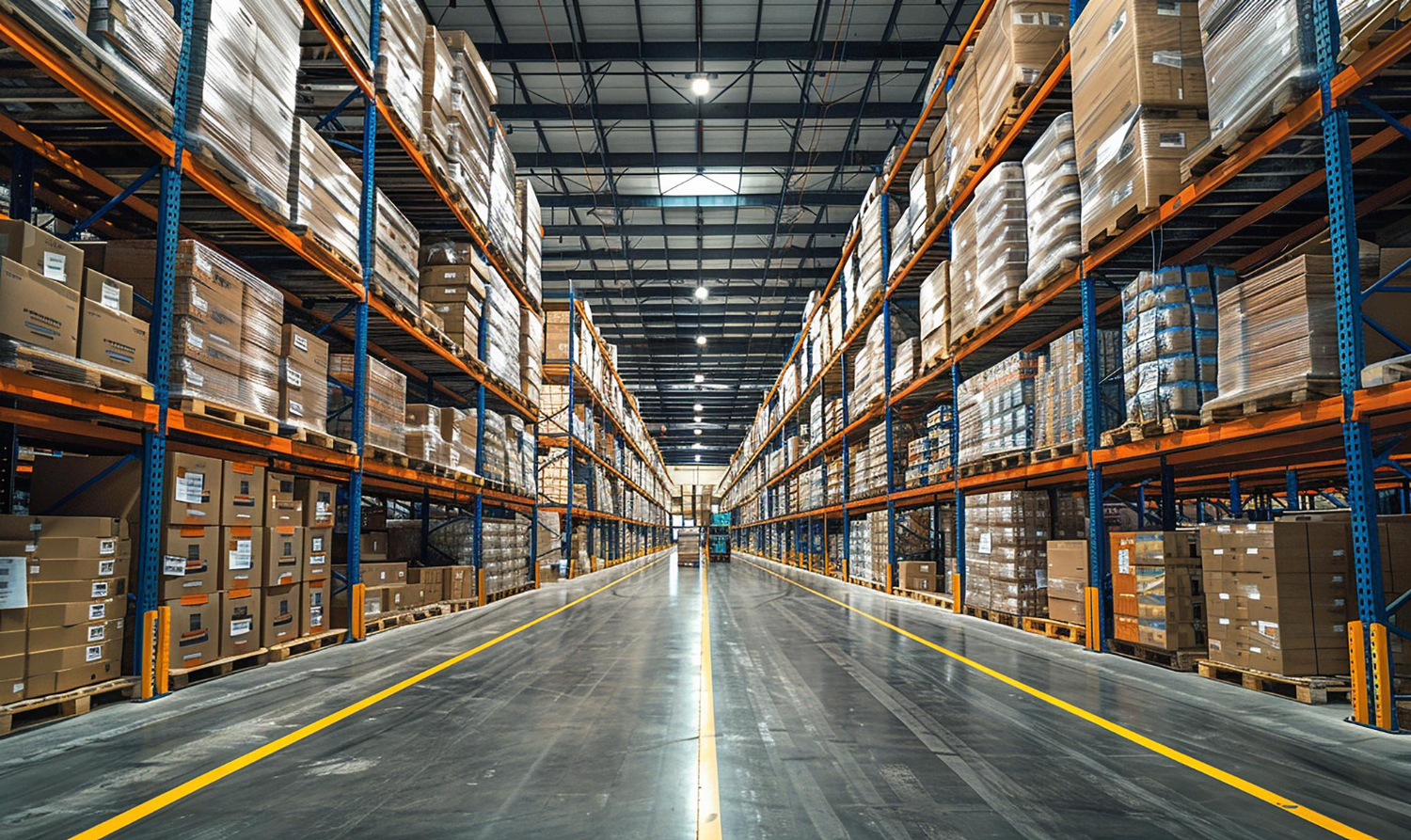
WAREHOUSING & DOMESTIC DISTRIBUTION
Fasilitas gudang penyimpanan komersial terintegrasi distribusi armada truk terjadwal ke seluruh Indonesia.

COLD CHAIN LOGISTICS
Pengangkutan komoditas pangan dan farmasi sensitif menggunakan armada dengan kontrol suhu sepanjang jalur pengiriman.